Longevity science has become one of the most actively researched areas in modern medicine and wellness. As the global population ages, scientists, physicians, and individuals alike are searching for evidence-based interventions that may help extend healthspan, the number of years lived in good health. Among the growing list of therapies being studied for their potential anti-aging effects, hyperbaric oxygen therapy (HBOT) has emerged as a subject of significant scientific interest.
HBOT involves breathing concentrated oxygen inside a pressurized chamber, increasing the amount of oxygen dissolved in blood plasma and body tissues. While HBOT has been used for decades in wound healing and treating conditions such as decompression sickness, recent research has begun to explore its potential effects on biological aging at the cellular level. From telomere dynamics to stem cell mobilization, the emerging science suggests that HBOT may influence several key mechanisms associated with how and why we age.
This article examines the current state of the research, highlighting the key studies, the biological mechanisms under investigation, and what these findings may mean for those interested in longevity-focused wellness protocols.
The Landmark Tel Aviv University Telomere Study
Perhaps the most widely cited study connecting HBOT to longevity is the 2020 research conducted by Hachmo et al. at Tel Aviv University, published in the peer-reviewed journal Aging. This study examined 35 healthy adults aged 64 and older who underwent a protocol of 60 HBOT sessions over approximately three months, with each session lasting 90 minutes at 2.0 ATA (atmospheres absolute).
The results were notable. The researchers reported that telomere length in certain immune cell populations (specifically B cells and T helper cells) increased by up to 20%. Telomeres are the protective caps at the ends of chromosomes that shorten with each cell division and are widely regarded as one of the primary biomarkers of biological aging. Shorter telomeres are associated with age-related diseases, cellular dysfunction, and reduced lifespan. Finding an intervention that may lengthen telomeres in aging adults is therefore of considerable scientific interest.
Additionally, the study found that senescent cell populations decreased by up to 37%. Senescent cells are sometimes referred to as "zombie cells" because they have stopped dividing but do not undergo programmed cell death. Instead, they accumulate in tissues and release inflammatory signals known as the senescence-associated secretory phenotype (SASP), which can damage surrounding healthy cells and contribute to chronic inflammation and tissue degradation. The reduction of senescent cells is a major focus of longevity research, and the pharmaceutical approach known as senolytics aims to achieve this same goal.
It is important to note the limitations of this study. The sample size of 35 participants was relatively small, and the study did not include a placebo control group. While the results are encouraging, larger randomized controlled trials with longer follow-up periods are needed to confirm these findings and establish the durability of the observed effects. Nonetheless, this research opened an important door in understanding the potential relationship between HBOT and biological aging.
Stem Cell Mobilization and Tissue Regeneration
Another area of longevity-relevant HBOT research involves the mobilization of stem cells. Stem cells are the body's natural repair system, capable of differentiating into various cell types to replace damaged or aging tissue. As we age, the production and mobilization of stem cells naturally declines, which contributes to slower healing, reduced tissue regeneration, and the gradual deterioration associated with aging.
Research has suggested that HBOT may stimulate the release of stem cells from bone marrow into the bloodstream. Studies have reported increases of up to 800% in circulating stem cells following a series of hyperbaric treatments. This dramatic increase in circulating stem cells could, in theory, enhance the body's ability to repair tissues, replace damaged cells, and maintain organ function as it ages.
The mechanism behind this effect appears to involve changes in nitric oxide signaling and the expression of specific growth factors triggered by the pressure and oxygen cycling inherent to HBOT protocols. While the long-term implications of increased stem cell mobilization for longevity are still being studied, the ability to naturally enhance the body's regenerative capacity is a promising avenue of research.
Mitochondrial Function and Cellular Energy
Mitochondria, often called the powerhouses of the cell, are responsible for producing the adenosine triphosphate (ATP) that fuels virtually every cellular process in the body. Mitochondrial dysfunction is considered one of the hallmarks of aging, as mitochondria become less efficient over time, producing less energy and more damaging reactive oxygen species (ROS).
Research suggests that HBOT may support mitochondrial function through several pathways. The elevated oxygen availability during HBOT sessions can help optimize mitochondrial respiration and ATP production. Additionally, the intermittent nature of HBOT protocols, where the body cycles between elevated and normal oxygen levels, may trigger adaptive responses that improve mitochondrial efficiency and resilience over time.
Some researchers have proposed that this oxygen cycling may also promote mitochondrial biogenesis, the process by which cells produce new mitochondria. Increasing the number of healthy, functional mitochondria could help counteract the age-related decline in cellular energy production. While more research is needed in this area, the potential for HBOT to support mitochondrial health represents an important piece of the longevity puzzle.
Cognitive Function and Brain Health in Aging
Cognitive decline is one of the most concerning aspects of aging, and maintaining brain health is a central priority in longevity research. The brain is exceptionally sensitive to oxygen levels, consuming approximately 20% of the body's total oxygen supply despite representing only about 2% of body weight. Age-related reductions in cerebral blood flow are closely linked to cognitive decline, memory loss, and increased risk of neurodegenerative conditions.
Researchers at Tel Aviv University have conducted multiple studies examining the effects of HBOT on cerebral blood flow and cognitive function in aging adults. Their research, published in journals including Aging, has explored how repeated HBOT sessions may improve blood flow to the brain and support neuroplasticity, the brain's ability to form new neural connections and reorganize existing ones.
Studies have suggested that HBOT may promote angiogenesis (the formation of new blood vessels) in brain tissue, potentially improving oxygen and nutrient delivery to areas that may have become hypoperfused with age. Research published in Frontiers in Human Neuroscience has also explored how increased oxygen delivery to the brain may support cognitive performance and memory. While these findings are promising, it is essential to recognize that this research is still developing, and HBOT should not be considered a proven treatment for cognitive decline or neurodegenerative disease without further clinical evidence.
The Intermittent Hyperoxia-Hypoxia Effect
One of the more fascinating aspects of HBOT research in the longevity space involves the concept of intermittent hyperoxia-hypoxia. During an HBOT session, the body is exposed to significantly elevated oxygen levels (hyperoxia). When the session ends and the individual returns to normal atmospheric conditions, the relative drop in oxygen levels is perceived by the body as a mild form of hypoxia (reduced oxygen). This cycling between high and normal oxygen states may be a key driver of the therapeutic effects observed in longevity research.
Researchers believe this intermittent pattern may activate hypoxia-inducible factors (HIFs), transcription factors that trigger a cascade of protective and regenerative cellular responses. HIF activation has been linked to increased production of growth factors, enhanced antioxidant defenses, improved cellular repair mechanisms, and the promotion of angiogenesis. This adaptive response is conceptually similar to the well-documented benefits of intermittent hypoxia training used by athletes, but achieved through a different mechanism.
The Tel Aviv University research protocol, which involved daily sessions five days per week for 60 sessions, was designed specifically to leverage this intermittent effect. The repeated cycling of oxygen levels appears to be what triggers the adaptive cellular responses, rather than simply the exposure to high oxygen alone. This distinction is important for understanding why a sustained, multi-session protocol may be necessary to observe the telomere and senescent cell changes reported in the research.
OxyHealth Chambers for Longevity Protocols
For individuals interested in incorporating HBOT into a longevity-focused wellness routine, OxyHealth offers a range of hyperbaric chambers designed for both home and clinical use. As the global leader in hyperbaric chamber manufacturing, OxyHealth chambers are FDA-cleared, built to ASME PVHO-1 pressure vessel standards, and manufactured under ISO 13485 quality management certification.
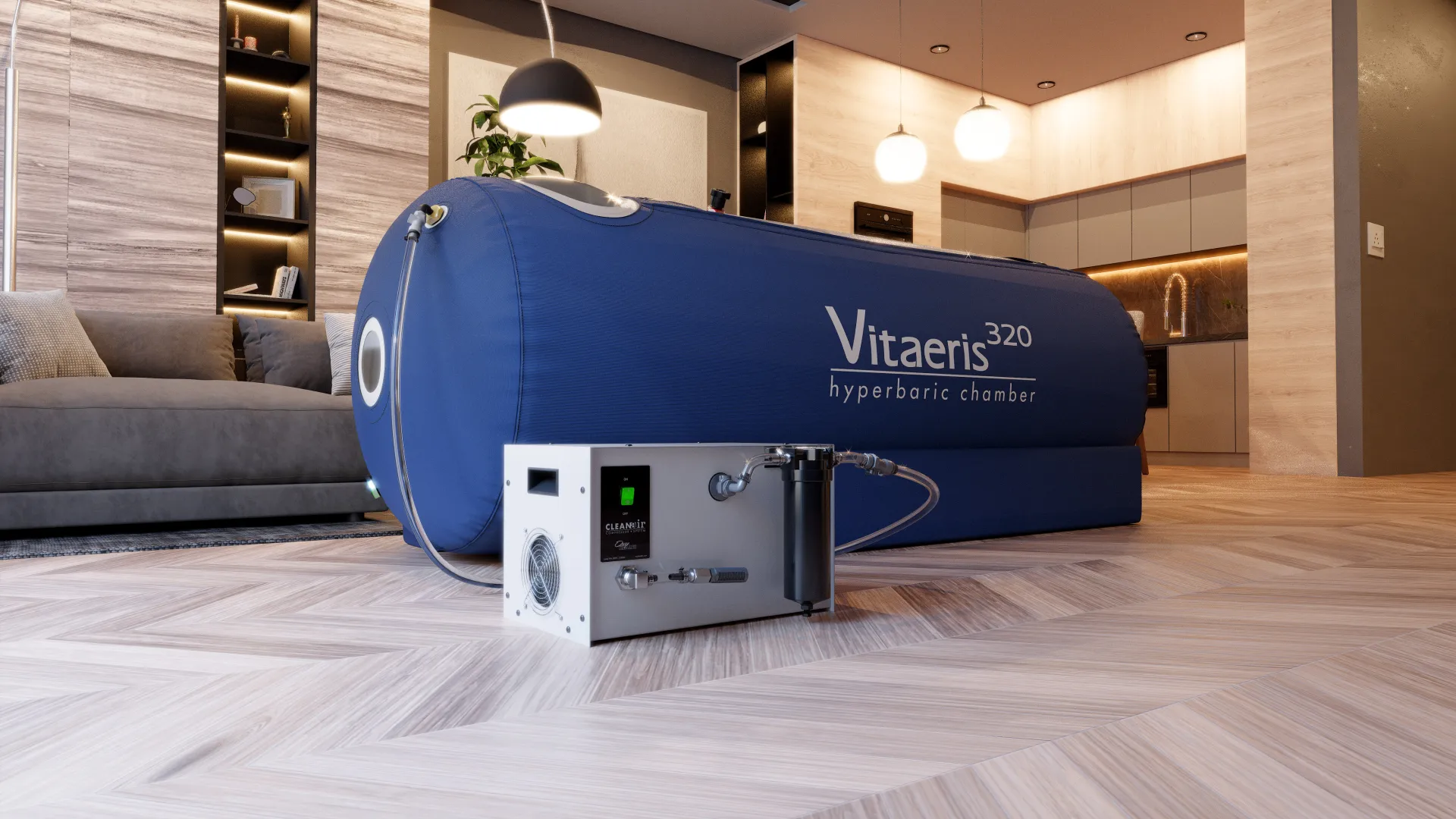
The Vitaeris 320 is OxyHealth's most popular portable hyperbaric chamber, designed for convenient home use. Operating at 1.3 ATA, the Vitaeris 320 provides mild hyperbaric therapy and is spacious enough for comfortable extended sessions. Its portable design allows for easy setup in a home, office, or wellness space, making it practical for individuals who want to maintain a consistent HBOT schedule as part of their longevity routine.
OxyHealth also manufactures additional portable models including the Respiro 270, which offers a more compact option for home use. For clinical settings, longevity clinics, and wellness centers that may require higher pressures, OxyHealth provides clinical-grade chambers capable of reaching higher ATA levels. Contact OxyHealth to discuss which chamber model and configuration may be best suited for your longevity goals.
Many longevity enthusiasts and wellness practitioners have found that having a chamber at home allows for the kind of frequent, consistent use that research protocols have employed. While the Tel Aviv University study used 2.0 ATA in a clinical setting, the convenience and accessibility of home chambers have made mild hyperbaric therapy an increasingly popular component of comprehensive wellness routines.
Important Considerations and Caveats
While the research into HBOT and longevity is genuinely exciting, it is important to maintain a balanced perspective. The field is still in its early stages, and several caveats should be kept in mind.
First, the existing studies, while significant, have generally involved small sample sizes. The landmark Tel Aviv University telomere study included 35 participants. Larger, multi-center randomized controlled trials are needed to confirm the findings and establish the consistency of the effects across different populations, age groups, and health conditions.
Second, the long-term durability of the observed effects is not yet well understood. While telomere lengthening and senescent cell reduction were documented at the end of the treatment protocol, more research is needed to determine how long these effects persist and whether maintenance sessions are needed to sustain the benefits.
Third, longevity and anti-aging applications of HBOT are not currently among the FDA-cleared indications for hyperbaric therapy. While OxyHealth chambers are FDA-cleared medical devices, the use of HBOT specifically for longevity purposes is considered off-label and should be discussed with a qualified healthcare provider.
Finally, HBOT should be viewed as one component of a comprehensive approach to healthy aging. Nutrition, exercise, sleep, stress management, and regular medical care all remain foundational elements of any longevity strategy. Anyone interested in exploring HBOT for longevity purposes should consult with a healthcare provider who is knowledgeable about hyperbaric therapy to determine whether it may be appropriate for their individual circumstances.
Looking Ahead: The Future of HBOT and Longevity
The intersection of hyperbaric oxygen therapy and longevity science represents one of the more compelling areas of ongoing research. The findings from the Tel Aviv University studies (Hachmo et al., 2020, Aging), along with research into stem cell mobilization, mitochondrial function, and cognitive health, have opened new avenues for understanding how controlled oxygen exposure may influence the biological aging process.
As research continues to evolve and larger clinical trials provide more definitive answers, HBOT may become an increasingly well-established component of evidence-based longevity protocols. For now, the available science offers a promising foundation, one that has captured the attention of researchers, clinicians, and individuals committed to extending their healthspan.
OxyHealth remains at the forefront of hyperbaric technology, providing the safest, most trusted chambers available for both home and clinical use. To learn more about how OxyHealth chambers can fit into your wellness routine, explore our product lineup or contact our team to speak with a specialist.