The Fundamentals
What is Mild Hyperbaric Therapy?
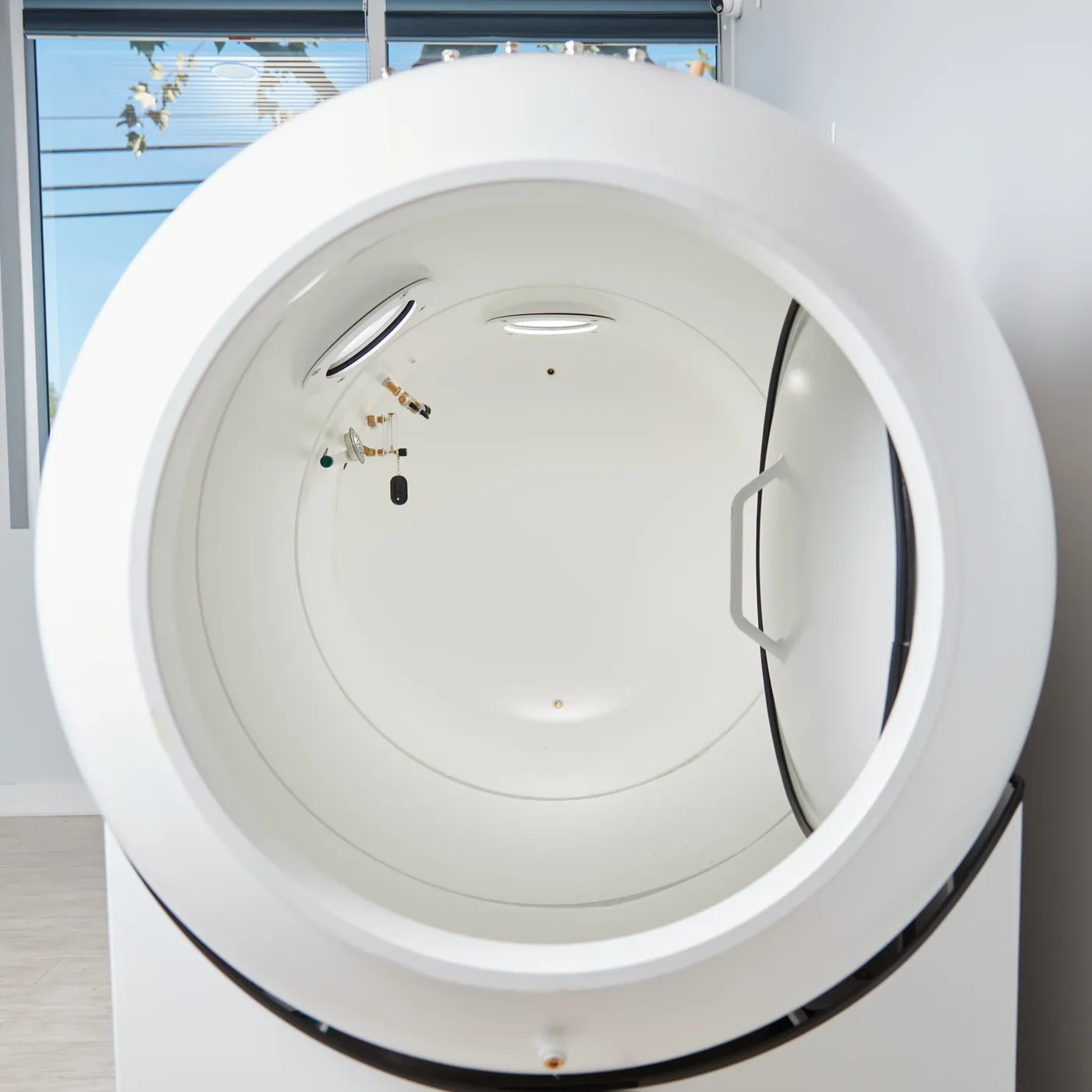
Mild hyperbaric oxygen therapy, commonly referred to as mHBOT, is a form of hyperbaric oxygen therapy that operates at 1.3 ATA (atmospheres absolute). This represents a pressure roughly 30% above normal sea-level atmospheric pressure. During a mild hyperbaric session, the user enters a portable, soft-shell chamber and breathes concentrated oxygen while the chamber is pressurized to 1.3 ATA. The combination of elevated pressure and supplemental oxygen allows more oxygen to dissolve into blood plasma than is possible under normal conditions.
Unlike higher-pressure clinical HBOT, which is administered in rigid monoplace or multiplace chambers at medical facilities and can reach pressures of 2.0 to 3.0 ATA, mild hyperbaric therapy is designed for accessibility and comfort. The portable chambers used for mHBOT are lightweight, can be set up in a home or office, and do not require the specialized infrastructure associated with hospital-grade hyperbaric systems. This makes mild hyperbaric therapy an option for individuals seeking to incorporate oxygen therapy into their daily wellness routine without traveling to a clinical facility.
OxyHealth is the global leader in portable hyperbaric chamber manufacturing, with multiple mild hyperbaric models designed specifically for safe, reliable home use. All OxyHealth chambers are FDA 510(k)-cleared as Class II medical devices, giving users confidence in the safety and quality of their equipment. The growing interest in mild hyperbaric therapy reflects a broader trend toward accessible, research-informed wellness technologies that can be used consistently over time.
The Science
How 1.3 ATA Therapy Works
The science behind mild hyperbaric therapy is grounded in Henry's Law, a principle of physics stating that the amount of gas dissolved in a liquid is directly proportional to the partial pressure of that gas above the liquid. In practical terms, when the atmospheric pressure inside a hyperbaric chamber is increased to 1.3 ATA, the elevated pressure causes more oxygen to dissolve into the blood plasma, cerebrospinal fluid, and other body fluids beyond what hemoglobin alone can carry.
Under normal sea-level conditions (1.0 ATA), oxygen transport relies almost entirely on hemoglobin molecules in red blood cells. Hemoglobin is typically saturated at around 97% under normal conditions, leaving very little room for additional oxygen to be carried by this pathway. However, when pressure is increased, oxygen dissolves directly into the plasma itself. This dissolved oxygen is not bound to hemoglobin and can therefore reach tissues and areas of the body that may have restricted blood flow or compromised capillary networks.
At 1.3 ATA, the pressure increase is gentle enough that most users find the experience comfortable and easy to tolerate. The sensation is similar to the pressure change experienced during a short airplane descent. Users typically equalize ear pressure by swallowing or gently popping their ears, and within minutes the chamber reaches its target pressure. Sessions generally last 60 to 90 minutes, during which users can read, watch content on a device, meditate, or simply rest.
The accessibility of 1.3 ATA therapy is one of its defining features. Because the pressure is relatively low, the chambers can be constructed from flexible, durable materials rather than the rigid steel or acrylic required for higher-pressure clinical systems. This allows mild hyperbaric chambers to be portable, lightweight, and suitable for residential environments without structural modifications to the home.
Key Advantages
Benefits of Mild Hyperbaric Therapy
Accessibility for Home Use
Mild hyperbaric chambers are designed for residential settings. Portable, lightweight, and easy to set up, they allow users to maintain consistent therapy schedules from the comfort of home without needing to visit a clinical facility for each session.
Comfortable Experience
At 1.3 ATA, the pressure increase is gentle and well-tolerated by most users. The soft-shell chamber design provides a spacious interior where users can relax, read, or use electronic devices during their 60 to 90 minute sessions.
Well-Established Safety Profile
OxyHealth mild hyperbaric chambers are FDA 510(k)-cleared, built to ASME PVHO-1 standards, and manufactured under ISO 13485 quality management. The mild pressure level of 1.3 ATA contributes to a favorable safety profile when used as directed.
Daily Use Protocol
Many wellness and recovery protocols involve daily mild hyperbaric sessions. The gentle 1.3 ATA pressure allows for regular, repeated use. OxyHealth chambers are engineered for the durability required for consistent daily operation over extended periods.
No Special Facility Needed
Unlike clinical HBOT chambers that require dedicated medical infrastructure, mild hyperbaric chambers operate on a standard household electrical outlet and do not require structural modifications, specialized ventilation, or facility upgrades.
Family Friendly
Mild hyperbaric chambers can be used by multiple family members under healthcare provider guidance. The comfortable, non-intimidating soft-shell design is accessible for a wide range of ages and comfort levels, making it a versatile addition to a household.
Understanding the Difference
Mild vs Clinical HBOT
Understanding the differences between mild and clinical hyperbaric therapy helps you make an informed decision. Both use elevated pressure to increase dissolved oxygen, but they differ in pressure levels, chamber types, settings, and typical applications. The right choice depends on your needs and your healthcare provider's recommendation.
| Feature | Mild HBOT (1.3 ATA) | Clinical HBOT (up to 3.0 ATA) |
|---|---|---|
| Pressure Level | 1.3 ATA (30% above sea level) | Up to 3.0 ATA (200% above sea level) |
| Chamber Type | Portable, soft-shell design | Rigid monoplace or multiplace chambers |
| Setting | Home, office, or wellness center | Hospital, wound care center, or clinic |
| Session Feel | Gentle pressure, similar to mild altitude change | Greater pressure, requires medical supervision |
| Typical Applications | Wellness, recovery, and daily health protocols | FDA-cleared medical conditions and physician-directed treatment |
Both mild and clinical hyperbaric therapy increase dissolved oxygen in the body. The appropriate pressure level and protocol should always be determined by a qualified healthcare provider based on the individual's health needs.
Our Products
OxyHealth Mild Hyperbaric Chambers
OxyHealth offers a range of mild hyperbaric chambers, all operating at 1.3 ATA and designed for safe, comfortable home use. Each model is FDA 510(k)-cleared and manufactured under strict quality controls.
Vitaeris 320
Flagship Portable Chamber
32-inch interior diameter
The Vitaeris 320 is OxyHealth's flagship portable hyperbaric chamber, offering a spacious 32-inch interior for maximum comfort during sessions. Its transparent viewing windows, durable construction, and quiet operation make it the most popular choice for home users, athletes, and wellness enthusiasts worldwide.
View Vitaeris 320Respiro 270
Compact Portable Chamber
27-inch interior diameter
The Respiro 270 is designed for users who need a more compact footprint without sacrificing quality. With a 27-inch interior diameter, it fits comfortably in smaller spaces while delivering the same 1.3 ATA pressure and FDA-cleared performance as larger models. Ideal for apartments, smaller rooms, or travel.
View Respiro 270Quamvis 320
External Frame Chamber
32-inch interior diameter
The Quamvis 320 features an external rigid frame that supports the soft-shell chamber, providing additional structural integrity and ease of entry. With a 32-inch interior diameter and 1.3 ATA operating pressure, it bridges the gap between portable convenience and clinical-style durability.
View Quamvis 320Growing Adoption
Who Uses Mild Hyperbaric Therapy?
Wellness Enthusiasts
Individuals focused on proactive health and longevity incorporate mild hyperbaric therapy into their daily wellness routines. The convenience of home use allows for consistent, long-term protocols that fit into busy lifestyles.
Athletes and Active Individuals
Professional and amateur athletes use mild hyperbaric chambers to support recovery from training and competition. Many athletes own OxyHealth portable chambers for convenient daily access without needing to visit a clinic.
Families
Families invest in mild hyperbaric chambers as a shared wellness resource. The gentle 1.3 ATA pressure and comfortable soft-shell design make the experience accessible for family members across a range of ages, under healthcare provider guidance.
Aging Adults
As research into hyperbaric therapy and aging continues to evolve, many older adults explore mild hyperbaric therapy as part of a proactive approach to healthy aging. A landmark study from Tel Aviv University (Hachmo et al., 2020, published in Aging) explored the effects of HBOT on biological markers associated with aging.
Wellness Clinics and Spas
Integrative health centers, wellness clinics, and spas offer mild hyperbaric therapy as a service for their clients. OxyHealth portable chambers provide a reliable, FDA-cleared option for businesses looking to expand their service offerings.
Safety and Quality
Safety and Certifications
OxyHealth is the global leader in hyperbaric chamber manufacturing, with over 19,000 chambers delivered worldwide and more than 3,000 physicians trusting OxyHealth technology. Every mild hyperbaric chamber meets the highest safety and quality standards in the industry.
FDA 510(k)-Cleared
All OxyHealth chambers are cleared by the U.S. Food and Drug Administration as Class II medical devices.
ASME PVHO-1
Built to the American Society of Mechanical Engineers pressure vessel standard for human occupancy.
ISO 13485 Certified
Manufactured under the international quality management standard for medical devices.
UL Listed
Electrical components are tested and certified by Underwriters Laboratories for safety compliance.
Frequently Asked Questions
Mild Hyperbaric Chamber FAQ
A mild hyperbaric chamber is a pressurized enclosure that operates at 1.3 ATA (atmospheres absolute), which is slightly above normal sea-level pressure of 1.0 ATA. Often referred to as mHBOT (mild hyperbaric oxygen therapy), these chambers are typically portable, soft-shell designs intended for home or wellness center use. They allow the user to breathe concentrated oxygen while the body is exposed to a gentle increase in atmospheric pressure, encouraging greater oxygen dissolution into blood plasma.
At 1.3 ATA, the pressure increase is relatively modest compared to clinical HBOT, which can reach up to 3.0 ATA in rigid, hospital-grade chambers. While both approaches use elevated pressure to increase dissolved oxygen in plasma (based on Henry's Law), higher pressures dissolve proportionally more oxygen. Clinical HBOT at 2.0 to 3.0 ATA is used for FDA-cleared medical conditions such as diabetic foot ulcers and radiation injury. Mild hyperbaric therapy at 1.3 ATA is used primarily in wellness, recovery, and home-use settings. The appropriate pressure level should be determined by a healthcare provider.
Mild hyperbaric therapy at 1.3 ATA has a well-established safety profile. OxyHealth mild hyperbaric chambers are FDA 510(k)-cleared as Class II medical devices, manufactured under ISO 13485 quality management standards, and built to ASME PVHO-1 pressure vessel safety specifications. The most common side effect is mild ear pressure during pressurization, similar to what you might experience during air travel. As with any therapy, consult a healthcare provider before beginning a mild hyperbaric protocol.
Many mild hyperbaric therapy protocols involve daily sessions, typically lasting 60 to 90 minutes. Because 1.3 ATA represents a gentle pressure increase, daily use is common among home users following wellness or recovery protocols. The frequency and duration of sessions should be guided by a healthcare provider based on your individual needs and health goals. OxyHealth portable chambers are designed for the durability and reliability needed for consistent daily operation.
In the United States, mild hyperbaric chambers operating at 1.3 ATA are FDA-cleared Class II medical devices. While a prescription is required for purchase, OxyHealth can help facilitate this process. Many healthcare providers are familiar with mild hyperbaric therapy and can provide the necessary prescription. Contact OxyHealth directly for guidance on obtaining a prescription and purchasing a chamber for home use.
Research into mild hyperbaric therapy is ongoing across several areas. Studies have explored its potential role in supporting wellness, recovery from exercise, and general well-being. A study published in the journal Medical Gas Research (Ishihara, 2019) examined the effects of mild hyperbaric oxygen on oxidative stress markers. Research continues to investigate how 1.3 ATA pressure may influence oxygen delivery and cellular processes. It is important to note that the FDA has cleared HBOT for 14 specific medical conditions, and any use beyond those indications should be discussed with a healthcare provider.
The space required depends on the specific chamber model. The OxyHealth Vitaeris 320, the flagship portable model, has a 32-inch interior diameter and requires a room with enough floor space to accommodate the inflated chamber plus room for the compressor and access. The Respiro 270, a more compact model with a 27-inch interior diameter, is designed for smaller spaces. Both models deflate for storage when not in use. OxyHealth provides detailed dimensions and setup guidance for each model to help you plan your space.
Mild hyperbaric chambers operating at 1.3 ATA are generally considered comfortable and accessible for a wide range of users, including children and older adults, when used under the guidance of a healthcare provider. The gentle pressure increase and soft-shell design make the experience less intimidating than higher-pressure clinical chambers. Many families use OxyHealth portable chambers for multiple family members. As with any therapy, pediatric and geriatric use should always be supervised and directed by a qualified healthcare professional.
Learn More